 Admin
Admin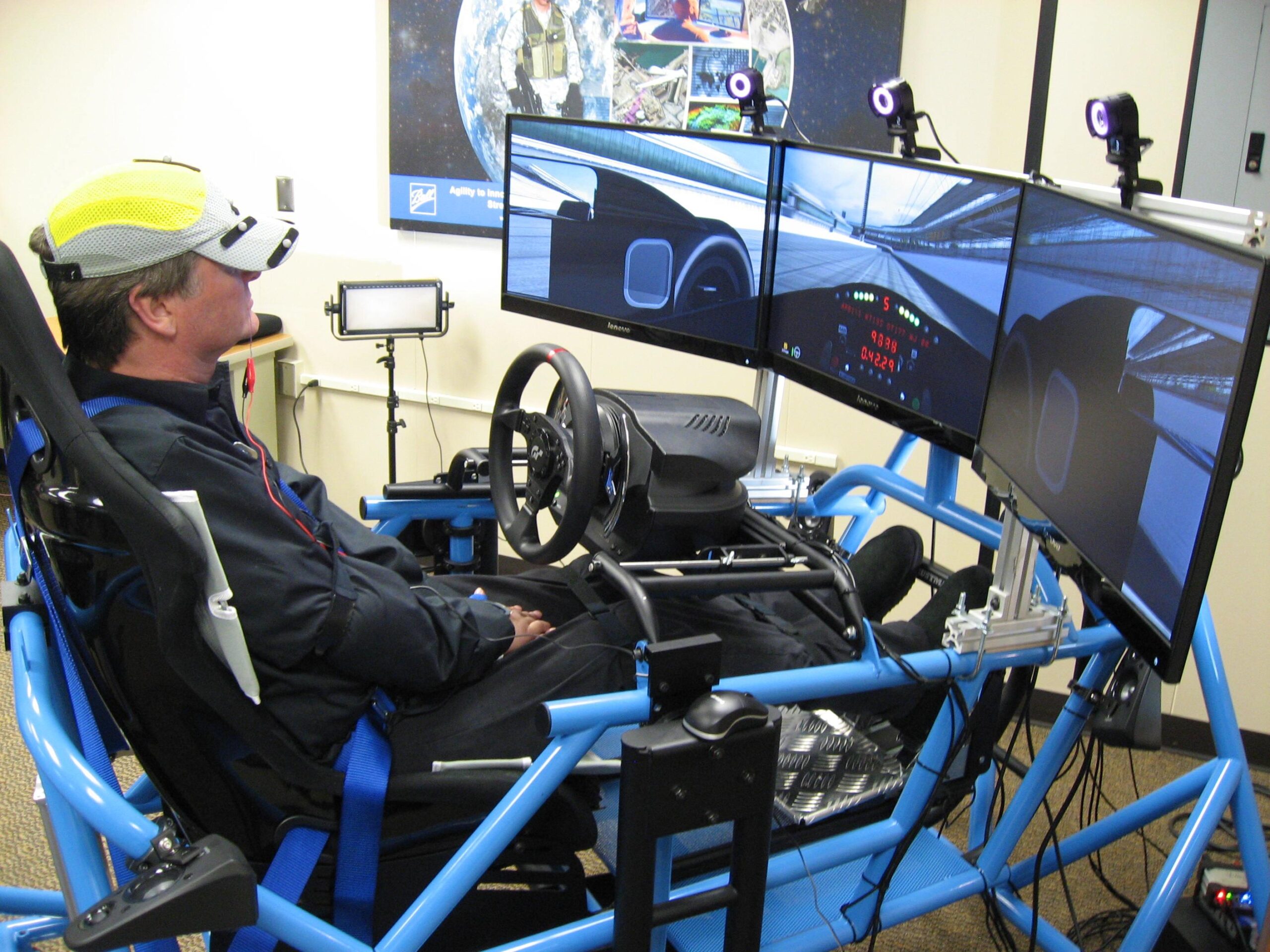
The motorsports world continues to honor and reflect on the extraordinary life and legacy of Sam Schmidt, whose journey from professional race car driver to pioneering advocate for adaptive technology became one of the most inspiring stories in modern racing history.
Schmidt first rose to prominence as a talented competitor in the Indy Racing League during the 1990s and early 2000s. Known for his fearless driving style, determination, and technical skill behind the wheel, he quickly earned respect from fellow drivers, team owners, and racing fans. His performances on the track established him as one of the sport’s promising competitors during a rapidly evolving era of Indy car racing.
However, Schmidt’s life changed forever in January 2000 during a testing session at Walt Disney World Speedway. A devastating crash left him with a spinal cord injury that resulted in quadriplegia, abruptly ending his professional driving career. The accident was one of the most tragic and widely discussed moments in Indy racing at the time, underscoring both the speed and danger inherent in motorsports.
Yet what followed became an even more remarkable chapter of Schmidt’s story.
Rather than stepping away from racing entirely, Schmidt remained deeply involved in the sport he loved. Over the years, he transformed himself into a respected team owner, businessman, innovator, and advocate for individuals living with disabilities. Through what eventually became Arrow McLaren IndyCar Team and earlier organizations connected to his leadership, Schmidt played a major role in developing drivers and shaping the future of IndyCar competition.
Beyond racing management, Schmidt became internationally recognized for pushing the boundaries of adaptive mobility technology. Working alongside engineers, researchers, and medical innovators, he participated in groundbreaking projects that allowed paralyzed individuals to regain forms of independence and even return to high-performance driving experiences using advanced electronic control systems and head-motion technology.
One of the most widely celebrated moments came when Schmidt successfully drove a specially modified Corvette using sophisticated electronic controls, demonstrating how technology could restore mobility and opportunity for people living with paralysis. That achievement inspired countless individuals facing spinal cord injuries and highlighted the transformative potential of adaptive engineering.
Throughout the years, tributes from across the motorsports community consistently emphasized Schmidt’s resilience, optimism, and refusal to let tragedy define him. Fellow drivers often described him as someone who never lost his passion for competition, innovation, or helping others.
His impact extended well beyond the racetrack. Schmidt became an advocate for spinal cord injury research, rehabilitation, accessibility, and inclusive opportunities within sports and technology. Many people within racing circles credit him with helping change conversations about disability, recovery, and what remains possible after catastrophic injury.
Today, Sam Schmidt’s legacy continues to stand as one of perseverance, courage, and transformation. While his racing career as a driver ended far too soon, his influence on motorsports arguably became even greater afterward through leadership, mentorship, technological advancement, and advocacy.
Within the history of Indy racing, Schmidt is remembered not only for his accomplishments behind the wheel, but also for the extraordinary example he set afterward — proving that even after devastating loss, purpose, innovation, and passion can continue to drive meaningful change.
His story remains one of the most powerful examples of resilience in modern motorsports history.
